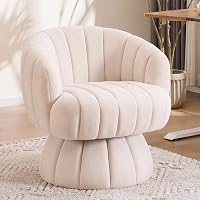
How Do You Fix a Squeaky or Wobbly Swivel Chair?
To fix a squeaky swivel chair, find the rubbing or loose part, then clean, tighten, or lubricate it as the chair's instructions allow. Stop using a wobbly chair until you identify and correct the cause.
On this page (7 sections)
- How do you find the source of a swivel chair squeak?
- How can you fix a squeaky swivel joint?
- What should you check when a swivel chair wobbles?
- Should you repair or replace a squeaky swivel chair?
- How do you prevent squeaks from returning?
- What mistakes make a squeaky swivel chair harder to fix?
- What is the safest decision for a squeaky or wobbly swivel chair?
To fix a squeaky swivel chair, find the rubbing or loose part, then clean, tighten, or lubricate it as the chair's instructions allow. If the chair also wobbles, stop using it until you identify and correct the cause.
A squeak during turning calls for different checks than a creak when you press an arm. Start with the empty chair in a quiet room so you can separate rotation noise from movement in the frame.
How do you find the source of a swivel chair squeak?
Move one part at a time and listen near the seat, base, and arms. This helps you locate the sound before making adjustments.
First, check whether the chair rubs against a wall, curtain, rug edge, or nearby furniture. A scrape outside the chair won't improve with lubricant inside the base.
Turn the empty seat slowly while standing beside it. Note whether the noise repeats at the same point in the turn or continues throughout the rotation.
With the chair stationary, gently press each arm and the seat edge separately. A sound during this step can point toward a frame connection rather than the rotating joint.
Look for trapped debris, loose hardware, gaps at connections, or visible damage. Keep fingers clear of moving parts, and don't reach beneath an unsupported chair.
Write down what movement causes the noise before contacting the manufacturer. A short recording can help explain an intermittent sound without taking the chair apart.
How can you fix a squeaky swivel joint?
Remove accessible dirt and check approved fasteners first. Add lubricant only when the chair's instructions identify a suitable type and application point.
Find the model number and assembly guide before starting. Gather the specified tool, a dry cloth, and a soft brush or vacuum attachment for exposed dust.
Clear space around the chair and protect its upholstery. Tip it only if the instructions allow this, with help where needed, and support it securely before inspecting underneath.
How to fix a squeaky swivel chair without over-tightening
Tighten only the fasteners identified in the instructions, using the correct size tool. A tool that slips can damage the screw head before the connection is secure.
Follow the stated tightening order and torque guidance, if provided. Stop if a screw spins without gripping, won't seat properly, or pulls a bracket out of alignment.
Don't use extra force to silence a joint. Over-tightening can damage threads or compress surrounding material, leaving a harder repair.
If lubrication is permitted, protect nearby fabric and flooring, then apply the directed amount to the specified point. Different WD-40 formulas serve different purposes, so choose by the approved formula rather than the brand name.
Rotate the empty chair slowly afterward and wipe away excess. Stop if the mechanism binds, catches, or moves unevenly, even if the squeak becomes quieter.
What should you check when a swivel chair wobbles?
Separate an uneven floor from movement within the chair. A base rocking against the floor needs a different response from a seat shifting above a stationary base.
Remove small objects from beneath the base and check for a rug edge or uneven flooring. Move the chair to a firm, level surface according to its moving instructions.
Observe where the movement occurs without sitting down. If the whole chair rocks, inspect its contact with the floor; if the seat tilts while the base stays still, inspect the visible seat connections.
Check adjustable fasteners as directed, but don't add improvised washers, glue, or replacement screws. A screw that fits the hole may still have the wrong thread or length.
Cracks, bent supports, and loose swivel plates need repair advice. Don't wedge the chair level to hide movement caused by damaged parts.
For general furniture safety resources, visit the CPSC furniture safety guidance. Use the chair's manufacturer for instructions specific to its base and frame.
Our guide to sizing and caring for accent chairs covers broader placement and upkeep. Keep an unstable chair out of use while you arrange the next step.
Should you repair or replace a squeaky swivel chair?
Repair an otherwise sound chair when an approved adjustment or replacement part resolves the cause. Seek professional help or consider replacement when structural damage or persistent looseness remains.
Before buying another chair, ask whether the affected part is available and whether a warranty applies. Share the model number, photos of the connection, and the movement that causes the problem.
A chair that remains comfortable and fits your room may be worth repairing. Replacement makes more sense when approved parts aren't available or the frame can't be restored securely.
Which replacement fits your room and upkeep needs?
Choose by seat fit, assembly needs, and upholstery care, rather than assuming a new chair will never squeak. These chairs are replacement options, not repair tools.
The CANMOV Swivel Accent Chair With Armrest suits someone who wants teddy fleece upholstery and is comfortable following assembly instructions. Its foam cushion includes pocket springs, with a curved back and tilted armrests.
It measures about 29 in wide by 28 in deep by 29 in high, with a 21 in wide, 22 in deep seat. Compare that depth with a chair you already find comfortable, especially if you prefer sitting upright with your feet on the floor.
Skip it if you want leather or no assembly. CANMOV gives conflicting weight limits of 300 lb and 350 lb, so confirm the applicable limit before ordering if that affects your choice.
The Signature Design Ashley Leather Swivel Chair suits someone who wants top-grain leather and no assembly. Its attached knife-edge seat cushion gives it a tailored shape, but it won't suit buyers who specifically want a loose seat cushion.
The chair measures 31.25 in wide by 29 in deep by 31.63 in high and weighs 63 lb. Plan help for positioning it, particularly if you need to carry it upstairs or through narrow turns.
Choose this option for a leather interior and a ready-assembled replacement. Skip it if you prefer textured fabric or need a chair you can reposition frequently without help.
The Garvee Corduroy Swivel Barrel Chair suits a compact reading corner where ribbed fabric fits the room. Its curved back and arms offer a wraparound shape, and the frame is engineered wood.
At 27.56 in wide by 23.62 in deep by 28.74 in high, it has the smallest overall footprint of these options. It weighs 37.5 lb and has a 300 lb maximum weight recommendation.
Skip it if you want leather or no assembly. Overall depth doesn't tell you usable seat depth, so confirm seat measurements if leg support is central to your choice.
Measure the floor space with tape, then leave clearance for the chair's full turning path. Our accent chair dimensions guide explains which measurements affect fit.
Compare more options in our guide to the best swivel chairs for living rooms, or read what makes a barrel chair if you're deciding whether the wraparound shape suits you.
How do you prevent squeaks from returning?
Keep exposed moving areas clean and use the chair as directed. Routine care helps you notice a loose connection before it becomes a larger problem.
After assembly, check that the chair sits level and turns without rubbing nearby furniture. Keep the instructions and any supplied tools somewhere accessible for later checks.
Vacuum accessible dust around the base without pushing an attachment into the mechanism. Don't remove covers or open an enclosed swivel unit unless the instructions explain how.
Move the chair using its designated lifting points and get help when needed. Dragging it by an arm or pulling the seat sideways can put strain on connections.
Follow separate care directions for the upholstery and the mechanism. Fabric cleaner and leather conditioner belong only on approved surfaces, while lubricant should stay away from the seat and floor.
For broader upkeep, see our guide to cleaning and caring for an accent chair. Don't lubricate on a fixed schedule unless the manufacturer recommends one.
What mistakes make a squeaky swivel chair harder to fix?
Avoid broad spraying, extra force, and changing several things at once. Work through one approved step at a time so you can tell what helped.
Don't assume every creak comes from the swivel bearing. Fabric rubbing, a loose frame connection, or contact with nearby furniture can create a similar sound.
Don't replace several screws or dismantle the base before recording how it fits together. Keep removed hardware organized only when disassembly is part of an approved procedure.
Treat a quieter chair and a secure chair as separate checks. Lubricant can reduce friction noise without correcting a loose or damaged connection.
What is the safest decision for a squeaky or wobbly swivel chair?
Choose the next step by the cause: adjust an approved loose fastener, seek help for persistent mechanical noise, and keep damaged or unstable chairs out of use. Knowing how to fix a squeaky swivel chair starts with locating the fault.
For replacement, choose CANMOV for teddy fleece and supplied assembly tools, Ashley for leather with no assembly, or Garvee for the smallest overall footprint here. Confirm seat fit and care requirements before deciding.
Use our swivel accent chair guide to compare base, seat, and fabric choices for your room.
Frequently asked questions
Why does my swivel chair squeak when I turn?
A swivel chair can squeak because rotating parts rub, a fastener has loosened, or grit has reached an exposed joint. Turn the empty chair slowly and note where the sound starts; noise during rotation points you toward the base, while noise from pressing an arm may come from the frame.
Can I use WD-40 on a squeaky swivel chair?
Use a WD-40 formula only if the chair manufacturer approves it for that part and material; the brand name alone doesn't identify the right lubricant. Follow the chair's instructions, protect nearby fabric and flooring, and apply only where directed instead of spraying the whole base.
How do I stop a swivel chair from wobbling?
Start by checking the floor, then inspect the base and seat connections without sitting in the chair; tighten only the fasteners identified in the assembly instructions. If a part is bent, cracked, or still loose afterward, keep the chair out of use and ask about an approved repair.
Is a wobbly swivel chair safe to use?
Keep a wobbly swivel chair out of use until you identify and correct the cause; unexpected leaning or movement can indicate a loose connection or damaged support. A quiet swivel mechanism doesn't prove the chair is secure, so assess stability separately from whether the squeak has stopped.